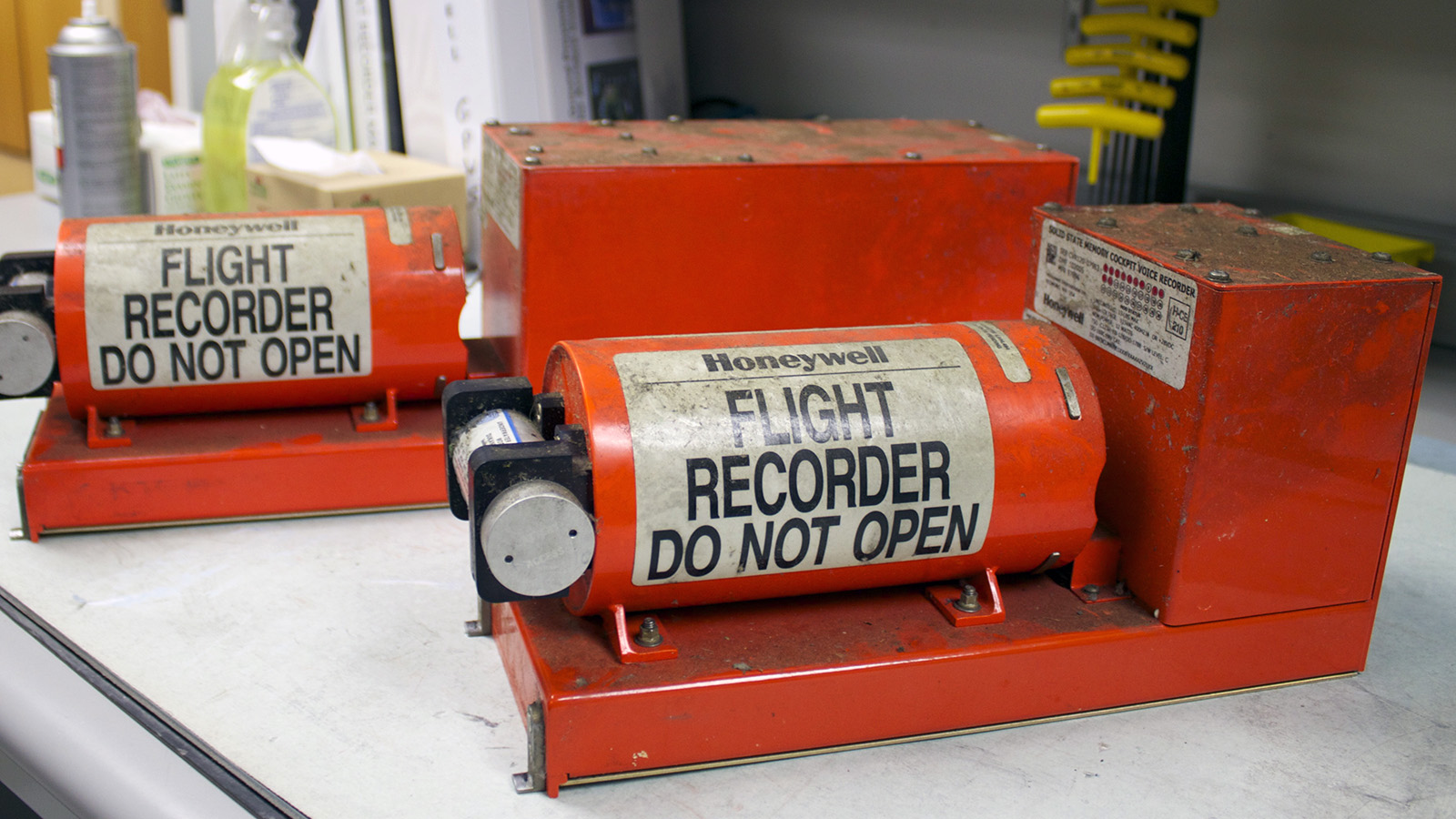
What is a Black Box in an Airplane?
The black box is one of the most crucial devices related to aircraft safety. It records all key information during a flight, including flight parameters and conversations in the cockpit. If an accident or incident occurs, this data can be analyzed to find out exactly what happened and to help avoid future accidents. As a silent witness, the black box plays a vital role in understanding a pilot’s decisions and the aircraft's operations, making it indispensable for improving flight safety.
What is the Black Box Used For?
The black box is primarily used after an incident to retrieve and analyze flight data such as speed, direction, altitude, and control movements. It also records conversations in the cockpit and alarm signals, allowing investigators to piece together what the crew was experiencing and how they responded. This information is extremely valuable for regulators, airline companies, and pilots, helping them to enhance training and aircraft design and make future flying even safer.
Features of Black Box and Why It’s Orange
The black box is designed to withstand strong impacts, pressure, and high temperatures. It can survive up to 1,100°C of heat for a short period and resist deep ocean pressures and water damage. The black box is equipped with an Underwater Locator Beacon (ULB) that emits signals once per second to help search crews find it. Although it was originally black, it is now painted a bright orange color. This change makes it much easier to spot amongst wreckage, whether on land or at sea.
The black box has become an essential tool for improving flight safety. It assists in investigating accidents, training pilots more effectively, and designing aircraft with greater safety in mind. The orange-colored black box, a silent recorder of flight events, plays a key role in making air travel more reliable and secure for everyone.